
Can You Kintsugi Glass?
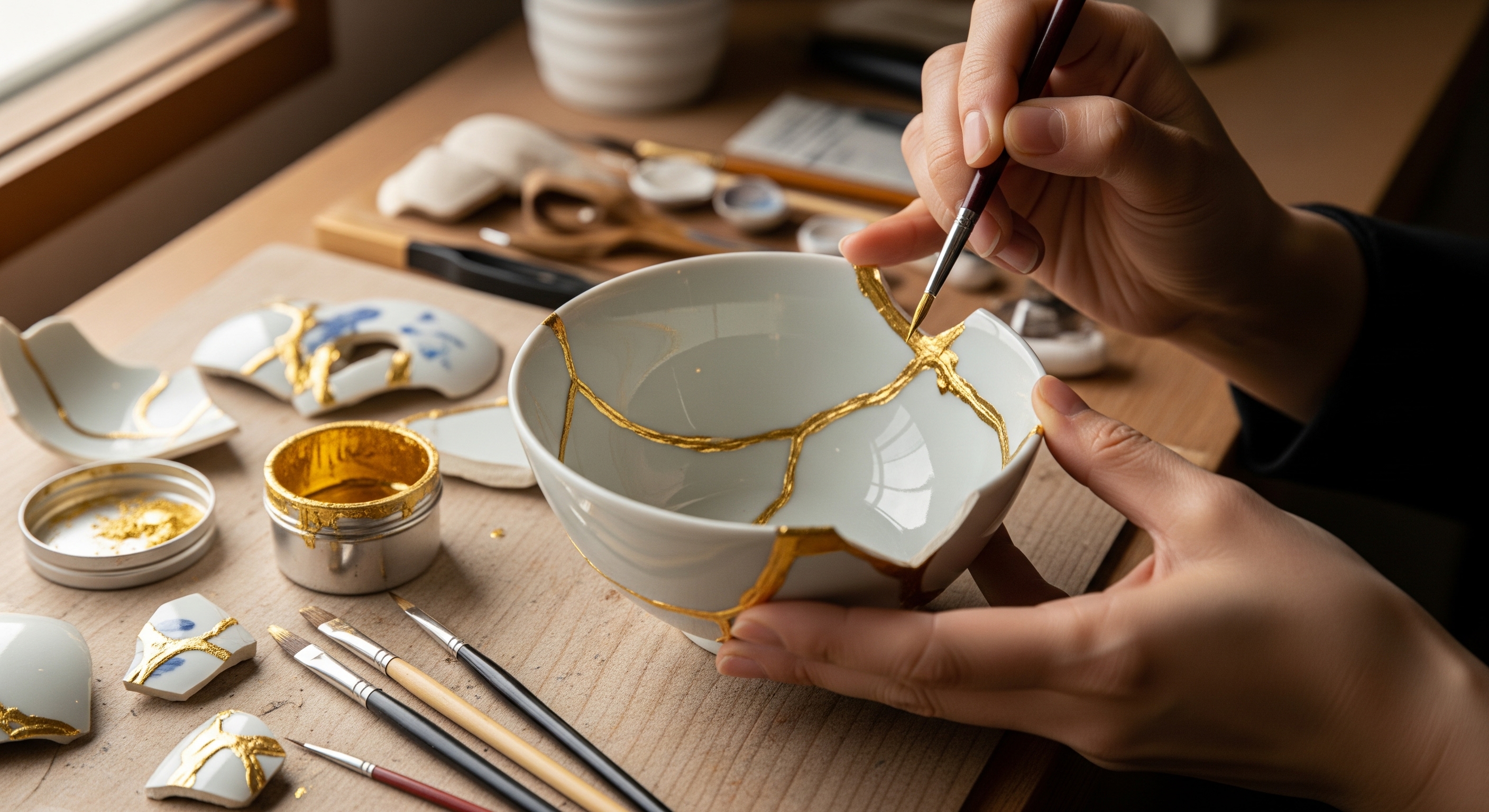
Potters often ask: can you do kintsugi on glass? The short answer is yes—with important caveats. Traditional kintsugi bonds porous ceramic with urushi lacquer and highlights the repair with precious metal powder. Glass presents unique challenges due to its non-porous nature, requiring different approaches to adhesion, surface preparation, and safety. The result is best described as "kintsugi-inspired" glass repair rather than true traditional kintsugi.
Understanding Porosity: Why Glass Behaves Differently
The fundamental difference lies in porosity. Ceramics absorb adhesives into microscopic pores, creating mechanical bonds within the material's structure. Glass, being non-porous, offers no such absorption. This means repairs rely entirely on surface chemistry rather than mechanical interlocking.
To improve adhesion, meticulous surface preparation is essential. Start with thorough degreasing, and consider using a silane coupling primer (such as A-1100) to create a chemical bridge between the glass surface and your chosen adhesive.
Adhesive Options That Actually Work
Conservation-Grade Acrylic
Paraloid B-72 is the museum world's go-to for glass assembly. While only moderately strong, its stability and reversibility make it ideal when you might need to redo a repair later. Conservation professionals trust it for good reason—it remains stable over decades.
Optical Epoxy
HXTAL NYL-1 offers exceptional clarity, curing water-clear with a refractive index nearly matching glass. It flows beautifully into tight breaks and maintains excellent long-term clarity when properly mixed. Be patient though—cure times are notably slow.
UV-Curing Acrylics
While sometimes used for glass repairs, these adhesives face scrutiny from conservators regarding long-term stability. If you choose this route, proceed with caution and consider it experimental.
Can You Use Urushi on Glass?
Traditional urushi adheres poorly to bare glass without special preparation. However, newer "glass urushi" formulations and specialized primers have been developed specifically for glass applications. These modified versions improve bonding significantly and cure in the same humid, warm environment as traditional lacquer.
Creating the Gold-Seam Look Safely
Remember: structural integrity comes first, aesthetics second. Here's the recommended approach:
- Create the bond using a clear adhesive (B-72 or HXTAL)
- Allow full cure before any decorative work
- Add the "gold" cosmetically by applying a thin sizing layer or urushi topcoat, then dusting with genuine gold powder or high-quality brass/mica alternatives
- Keep metal on the surface only—never incorporate it into the structural bond line
For those using urushi, the traditional maki-e technique works well: sprinkle metal powder into tacky lacquer after the structural join has fully cured.
Safety Considerations and Practical Use
Repaired glass remains structurally compromised. Always handle with care and avoid:
- Heat exposure
- Dishwashers
- Thermal shock (rapid temperature changes)
Even museum-quality repairs remain visible and vulnerable to stress.
Food Safety
While fully cured urushi finishes are traditionally considered food-safe, glass repairs present additional concerns. Epoxies and added pigments may not be food-safe. Best practice: reserve kintsugi glass pieces for display or limited use with dry, cool items away from direct lip contact. When in doubt, treat repaired glass as purely decorative.
Quick Workflow for Potters
- Test-fit pieces and secure with tape while dry
- Degrease thoroughly using soap, whiting, and 99% isopropyl alcohol; apply silane primer if desired
- Bond pieces with B-72 (for reversibility) or HXTAL (for optical clarity); allow complete cure
- Apply finish by masking surrounding areas, then applying sizing and metal powder (or use glass-formulated urushi for seam decoration)
- Display carefully and document your repair for future reference
Creative Possibilities
Consider pushing boundaries by creating hybrid works that combine thrown porcelain with cast glass elements, joined with luminous metal seams. This approach transforms the repair technique into intentional design—celebrating the join rather than disguising it. The contrast between opaque ceramic and transparent glass, united by gleaming metal lines, can produce stunning artistic statements.
Remember: in kintsugi-inspired glass work, the goal isn't to hide the repair but to honor it. Let your mended lines tell their story with pride.